Best National Parks to Visit in the US

Storyteller Overland | July 6th, 2026
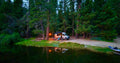
Camper Vans gathered at a campfire at sunset
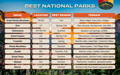
The National Park Service oversees 63 designated national parks across the United States, and there is no single best one among them. The right park depends on the trip you have in mind. A family chasing geysers and bison wants something different from a couple after red rock solitude or a hiker eyeing a glacier-fed lake. Still, a few US national parks stand out from the rest for their scenery, their range of things to see and do, and how well they suit just about any kind of traveler.

This guide walks through the parks most people put at the top of their list, why you might pick one over another, and the season that shows each one at its best. Use it to build a trip that fits your pace, your crowd tolerance, and the view you came for.
best national parks to visit infographic

1. Great Smoky Mountains (Tennessee and North Carolina)

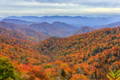
Autumn colors in Great Smoky Mountains National Park, North Carolina
Great Smoky Mountains National Park is the most visited park in the country by a wide margin, straddling the Tennessee and North Carolina border. It charges no entrance fee, sits within a day's drive of much of the eastern US, and turns brilliant shades of orange and red in autumn, with black bears and short hiking trails to waterfalls throughout. This park tends to be a first park for a lot of travelers, and an easy fall foliage run for everyone else.
Best Season: October brings the park's peak fall color, and it stays open year-round with no reservation required.

2. Zion (Utah)

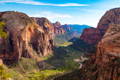
View from Angels Landing, Zion National Park, Utah
Zion National Park packs towering sandstone cliffs, slot canyons, and the Virgin River into a compact, walkable canyon. A shuttle carries you to trailheads for the Narrows, a hike straight up the riverbed, and Angels Landing, a chain-assisted climb to a famous overlook. Visitors come for dramatic scenery that doesn't demand long approaches to reach.

Best Season: Spring and fall are the best times to visit, when the Virgin River runs full. Angels Landing requires a permit through an advance lottery.


3. Yellowstone (Wyoming, Montana, and Idaho)

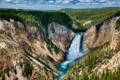
Brink of Lower Fall. Grand Canyon of the Yellostone. Overlook of the Lower Falls. Canyon and river. Beautiful landscape in Yellowstone National Park.
Yellowstone National Park sits atop a supervolcano, which is why it contains more than half of the world's active geysers, along with hot springs, mud pots, and Old Faithful. It is also one of the best places in the country to see bison, elk, wolves, and grizzly bears. The park is huge, so plan multiple days and use the visitor centers to map your route. For many people, it's the park that defines a bucket-list trip out west.

Best Season: The summer months open the most access, while late spring and early fall bring active wildlife and thinner crowds.

4. Grand Canyon (Arizona)

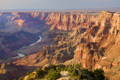
Beautiful Landscape of Grand Canyon from Desert View Point with the Colorado River visible during dusk
Grand Canyon National Park is a mile-deep gorge carved by the Colorado River across northern Arizona, and its scale is hard to overstate until you stand at the edge. The South Rim stays open year-round with classic overlooks, while the higher North Rim is quieter with a shorter season. A short stop at the rim delivers one of the most recognizable views on earth, with little hiking required.

Best Season: The South Rim is best in spring and fall, and the North Rim is typically open from mid-May through mid-October.

5. Yosemite (California)

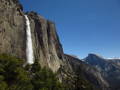
Yosemite Falls and Half Dome Together with Sky
Yosemite National Park is built around Yosemite Valley, a glacier-carved corridor walled by granite cliffs like El Capitan and Half Dome. Beyond the valley floor, the park climbs into high country with giant sequoia groves at Mariposa and alpine meadows along Tioga Road. It is also a legendary destination for rock climbing. The granite walls and thundering spring waterfalls are what make it unforgettable.

Best Season: Late spring sends the waterfalls to their strongest flow. Half Dome needs a permit through a lottery.

6. Rocky Mountain (Colorado)

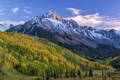
The last light of the setting sun hits the crags atop Mount Sneffels, with a mostly golden grove of quaking aspens below, in the San Juan Mountains near Ridgway, Colorado.
Rocky Mountain National Park puts high-alpine scenery within easy reach of Denver. Trail Ridge Road climbs above the treeline to tundra you rarely see from a vehicle, and the park is thick with alpine lakes, mule deer, and elk. Short trails around Bear Lake suit families, while higher routes reward stronger hikers. This park is a favorite for those after mountain scenery that doesn't require a long detour to find.

Best Season: The summer months through early fall are prime, since that is when Trail Ridge Road is open. Timed-entry reservations are required from late May through mid-October.

7. Acadia (Maine)

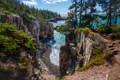
The rocky gorge known as the Ravens Nest on the Schoodic Peninsula in Acadia National Park
Acadia National Park is where the forest meets the Atlantic, with granite coastline, rounded mountains, and quiet carriage roads built for walking and biking. Cadillac Mountain is the highest point on the eastern seaboard and one of the first places in the country to catch the sunrise. Bar Harbor sits right beside it, making resupply and dining easy. It's a rare spot where granite shoreline and woodland meet in one place.

Best Season: Summer and fall are ideal, with foliage peaking in early October. Cadillac Summit Road requires a vehicle reservation in season.

8. Grand Teton (Wyoming)

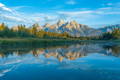
Tetons reflecting in water of Schwabacker Landing, Teton National Park.
Grand Teton National Park is a wall of jagged peaks rising straight from the valley floor near Jackson Hole, with no foothills to soften the view. Glacial lakes sit at the base of the range, and the Snake River winds through sage flats where moose and bison graze. The views hit you the moment you arrive. It also shares a boundary with Yellowstone, so the two pair naturally into one trip.

Best Season: Summer offers full access, and fall turns the aspens gold against the peaks.

9. Olympic (Washington)

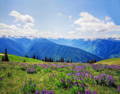
Hurricane Ridge, Olympic National Park, Washington
Olympic National Park is three parks in one, with temperate rainforest, rugged Pacific coastline, and glaciated peaks all within its boundaries. You can walk a mossy rainforest trail in the morning and stand on a driftwood beach by afternoon. The Pacific Northwest setting keeps it green and mild much of the year. Travelers love it for the sheer range of landscapes in a single park.

Best Season: Summer brings the driest weather and full access to Hurricane Ridge.

10. Glacier (Montana)

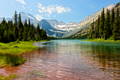
Amazing view in Glacier National Park
Glacier National Park earns its nickname as the crown of the continent, with turquoise lakes, hanging valleys, and the famous Going-to-the-Sun Road crossing the Continental Divide. Grizzly bear and mountain goat country runs throughout, and short hikes near Logan Pass open big views fast. Glacier draws people chasing alpine grandeur on a scale you can actually drive through.

Best Season: July through September is the window, once the high road clears of snow. Ticketed shuttles serve Logan Pass, with a three-hour parking limit starting July 1.


Best Parks by Landscape

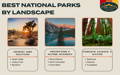
best national parks by landscape infographic
The ten parks above draw the biggest crowds, but they aren't the only ones worth the trip. The right park for you often comes down to the scenery you're after, so the ones below are grouped by landscape, covering desert, alpine, and coastal settings. 

For Desert and Solitude

  • Death Valley (California): Golden dunes, painted badlands, and salt flats turn this surreal park into cool-weather country, best explored once the winter heat eases.
  • Joshua Tree (California): Twisted trees, giant granite boulders, and dark skies make this spot where two deserts meet a spring-and-fall favorite for climbers and stargazers.
  • Big Bend (Texas): Desert basins, river canyons, and some of the darkest skies anywhere make this remote West Texas park a quiet winter and early-spring escape.

For Mountains and Alpine Scenery

  • Mount Rainier (Washington): A 14,410-foot glaciated volcano, the tallest in the Cascades, towers over the wildflower meadows at the Paradise visitor center, best seen in late summer when they hit full bloom.
  • North Cascades (Washington): Jagged peaks and turquoise lakes draw serious hikers to one of the least-crowded parks in the lower 48, best reached in summer when the high country opens up.
  • Great Basin (Nevada): Wheeler Peak rises above groves of ancient bristlecone pines, with the Lehman Caves winding through the rock below, all best to visit in late spring through fall.

For Forests, Coast, and Water

  • Redwood (California): The tallest trees on earth shelter misty trails along a rugged stretch of Northern California coast, mild and green enough to visit any time of year.
  • Sequoia (California): The park holds the largest trees on earth by volume, including the General Sherman Tree, with neighboring Kings Canyon an easy add-on.
  • Everglades (Florida): This vast subtropical wetland at the southern tip of Florida is best explored by boat tour or paddle in the dry winter season.


Planning Your National Park Visit

A little planning goes a long way at a national park, especially the busy ones. The biggest thing to sort out early is access, since a growing number of parks now limit how many cars come in during peak season.

  • Check for reservations and permits. Parks like Rocky Mountain and Acadia use timed entry or vehicle reservations in summer, and popular hikes like Angels Landing and Half Dome require permits through a lottery. Book these as far ahead as the park allows.
  • Reserve campgrounds and lodging early. In-park sites fill months out for peak season, and most are booked through recreation.gov, so set a reminder for the day the window opens.
  • Confirm roads and seasons. High-country roads like Trail Ridge Road and Going-to-the-Sun Road close for much of the year, so check the park's website for current status before you go.
  • Pack for the conditions. Bring layers, plenty of water, a downloaded or paper map for areas with no cell service, and bear-safe food storage where it applies.

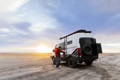
Storyteller van in an open rocky ground

See the Best National Parks with Storyteller Overland

The best national park comes down to the trip you are planning. Choose by season, and you sidestep closed roads and desert heat; choose by landscape, and you land on the canyons, peaks, or coastline you came for.

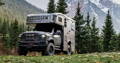
However you go, the rig you travel in shapes the whole trip. A setup that lets you cook breakfast at an overlook, park near the trailhead, and stay off-grid for days turns any park visit into a real adventure, whether it is a single stop or a longer road trip across several. That is what Storyteller Overland builds. The Beast MODE XO packs a full kitchen and bathroom into a Mercedes-Benz Sprinter sized for the campgrounds and scenic roads these parks are known for, scenic roads these parks are known for, while HILT, from the GXV Trucks line, reaches the remote backcountry a van can't. Every owner joins the Storytellers community along the way. Browse our van lineup and find the rig for your next adventure!


Our Latest Stories

Galactic Adventures: July 9
Galactic Adventures Issue 43: OVE PNW. Skate Across America: Chad Caruso. & The Family We...
6 Epic Road Trips You Can Take in the Storyteller GXV EPIC Without Ever Stopping for Fuel
Best overland vehicle for long trips: 1,800 miles of diesel range, zero fuel stops. See...